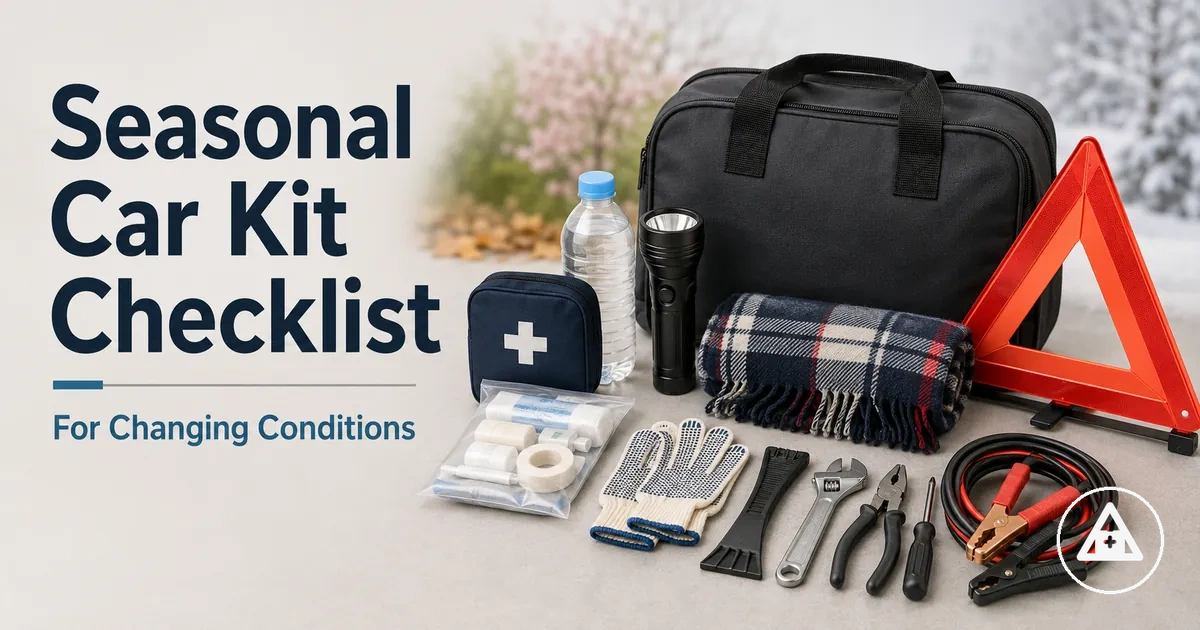
Seasonal car emergency kit checklist for changing weather
A seasonal car emergency kit keeps baseline roadside supplies in the vehicle while rotating weather-sensitive items as conditions change. The goal is to keep ordinary roadside waiting more manageable during heat, rain, cold, storms, or longer drives through seasonal rotation.
Seasonal readiness means the core kit stays useful while extra vehicle emergency supplies change with the weather. Baseline items such as first aid supplies, lighting, visibility gear, water, warmth, and communication support remain the starting point. Weather-sensitive items then adjust for moisture, temperature, daylight, access, and safe storage. This checklist focuses on seasonal changes, not a full contents guide, winter-only plan, maintenance routine, or long-trip checklist.
Changing weather can affect exposure, moisture protection, visibility, and storage condition during a delay. Water, batteries, blankets, warning items, and first aid supplies may need different checks before hot, wet, cold, or storm-prone conditions. A useful seasonal checklist connects the condition to the supply attribute: heat to hydration support, rain to dry storage, cold to warmth, and low light to visibility.
Daily driving may need only light kit rotation, while longer routes, passengers, or regional weather can justify extra checks before conditions shift. For the broader page context, use the car emergency kit hub as the main overview before moving into season-by-season checklist logic.
Climate, trip length, passenger needs, and vehicle storage space can change the final kit. A compact roadside kit may still work for ordinary driving when stored accessibly, but severe weather, remote routes, or longer delays may require more careful rotation and safe storage.
What changes in a car emergency kit by season
What changes in a car emergency kit by season is usually the need for exposure support, comfort, visibility, moisture protection, batteries, water, and traction rather than the purpose of the kit itself. Seasonal changes affect how supplies perform and how easily they can be accessed during a delay. The core kit purpose stays stable.
What changes in a car emergency kit by season is easier to understand when stable supplies are separated from rotating items. The image below organizes a core kit area alongside seasonal additions for heat, rain, and cold conditions.
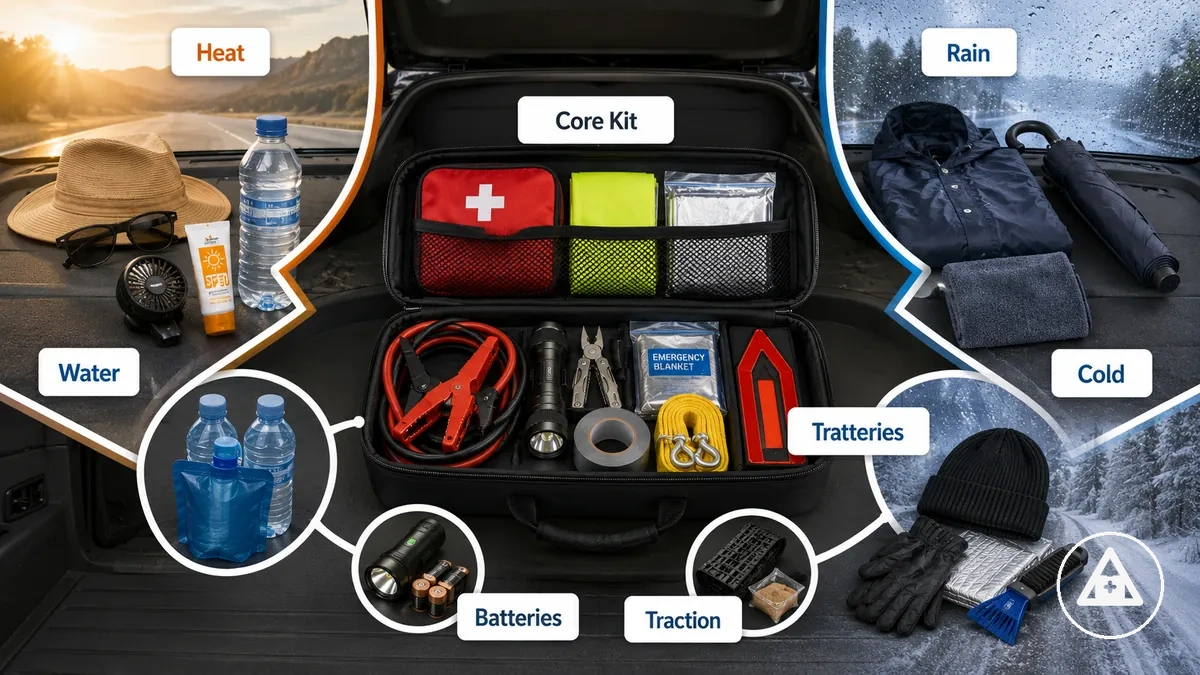
Seasonal variables include temperature, daylight, moisture, road surface conditions, storage access, and passenger exposure. A season with more rain may place greater emphasis on moisture protection and dry supplies, while shorter daylight periods can increase the importance of visibility. Heat and cold can affect batteries, water storage, and flashlight readiness. These factors are often grouped as weather risk changes rather than changes to the entire kit.
Exposure, moisture, visibility, and batteries can influence how useful roadside supplies remain during changing conditions. Moisture may affect access to dry supplies, reduced daylight can affect visibility, and temperature extremes may justify checking battery-powered items and stored water. Road surface conditions can also affect traction needs in some regions. Exact kit adjustments depend on local weather risk, trip conditions, and passenger needs.
| Usually stays in the kit | Often changes by season |
|---|---|
| Year-round supplies that support basic roadside needs | Rotating items related to heat, rain, cold, moisture protection, visibility, water, batteries, or traction |
Year-round car emergency kit items to keep in place
Year-round car emergency kit items to keep in place are the baseline emergency supplies that remain useful before any seasonal items are added. These core supplies support roadside safety across heat, rain, cold, and travel conditions. The checklist below helps verify baseline supplies before seasonal rotation.
Year-round items are best grouped by safety function rather than by season. Visibility items help other road users notice a roadside stop, while first aid supplies support minor care needs during a delay. Lighting, communication support, personal protection, and basic tools each serve a different readiness purpose when access, weather, or travel conditions change. For a broader review of item coverage, see baseline kit contents.
Year-round car emergency kit items to keep in place are easier to review when stable supplies are separated from seasonal additions. The image below highlights baseline supplies that stay in the vehicle before weather-specific items are added.
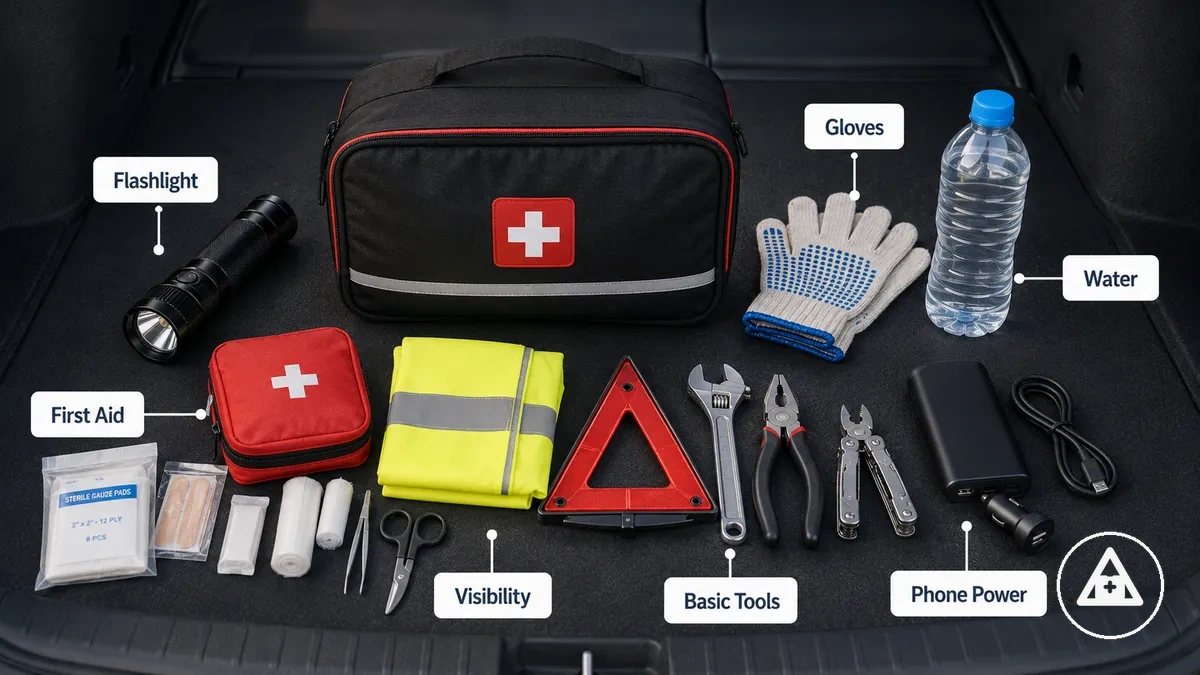
- Visibility and warning items — clear visibility support — roadside stop or reduced visibility conditions — helps improve roadside awareness.
- First aid supplies — ready access and usable condition — minor injury situations during travel — supports basic response needs.
- Flashlight and lighting — working power source — night or low-light stop — helps with visibility and locating items.
- Basic tools — accessible and functional storage — simple roadside tasks — supports practical vehicle-related needs.
- Communication support — phone power or charging access — delayed travel or assistance requests — helps maintain contact.
- Personal protection items — protective handling support — wet, dirty, or exposed conditions — assists with roadside comfort and handling.
- Water and basic comfort supplies — available hydration support — waiting during a delay — helps maintain comfort.
Seasonal supplies to rotate for weather risk
Seasonal supplies are additions, removals, or condition checks that adjust a car emergency kit for likely weather risk without replacing the baseline emergency supplies already in the vehicle. Seasonal rotation helps match changing conditions such as heat, rain, cold, reduced visibility, moisture exposure, or longer delays. In this context, rotate means add, remove, or check.
Weather risk can change which kit attributes deserve more attention during a roadside delay. Heat can increase the importance of hydration support and storage condition, while rain can increase the need for moisture protection and visibility. Cold conditions can place greater emphasis on warmth and traction, and delay risk can affect comfort and access to supplies. The table below organizes seasonal supplies to rotate for weather risk using weather condition, supply attribute, useful condition, and readiness effect.
In mixed-season climates, overlapping warm, wet, and cold conditions may justify keeping certain seasonal add-ons available at the same time. The final combination depends on weather patterns, passenger needs, expected travel conditions, and available storage space.
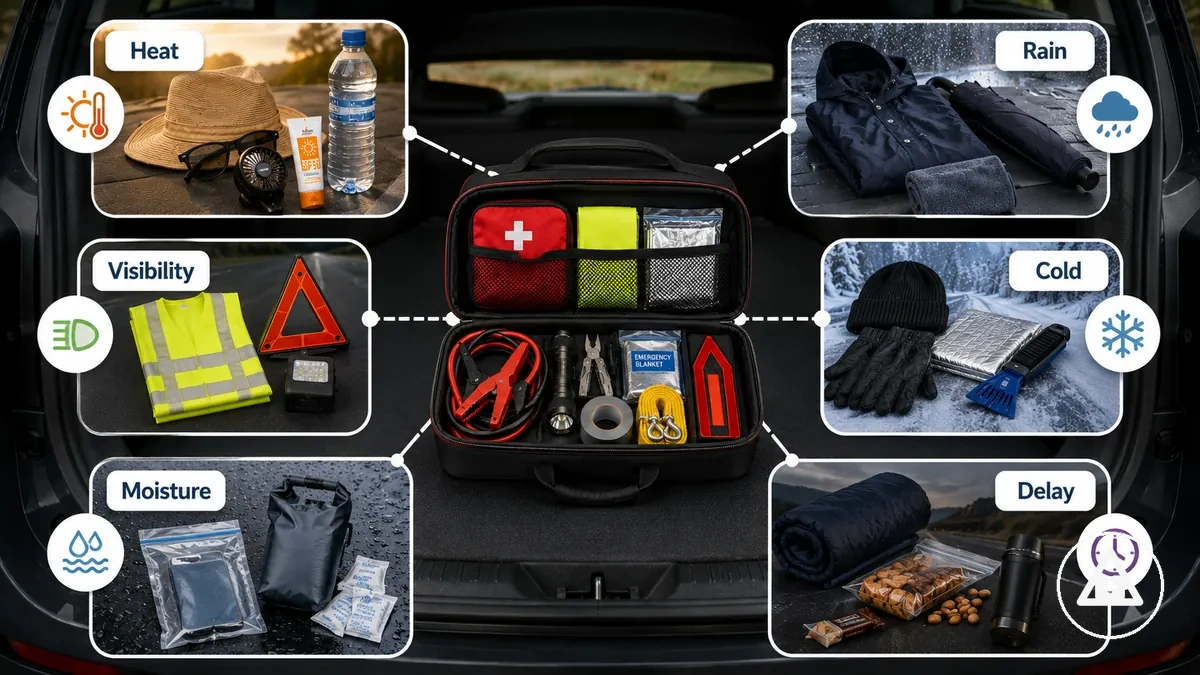
| Weather risk | Supply attribute | Useful condition | Readiness effect |
|---|---|---|---|
| Heat | Hydration and shade support | Warm temperatures and extended delay | Supports comfort and readiness |
| Rain | Moisture protection and visibility | Wet conditions and reduced visibility | Helps keep supplies accessible and easier to see |
| Cold | Warmth and traction support | Cold temperatures or slippery surfaces | Supports comfort and mobility |
| Low visibility | Warning and lighting condition | Dark, foggy, or storm-related conditions | Improves visibility awareness |
| Moisture exposure | Dry storage condition | Persistent wet weather | Helps protect essential supplies |
| Delay risk | Comfort and access support | Longer waiting periods | Supports overall readiness |
Hot-weather driving supplies
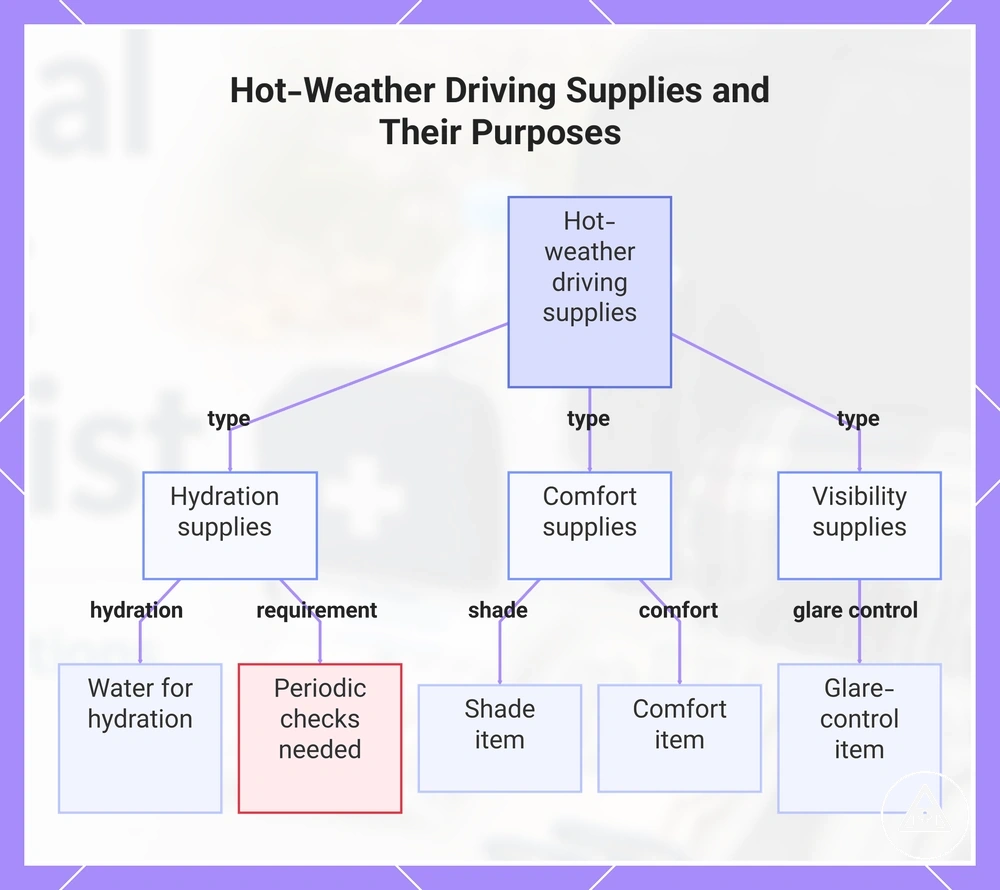
Hot-weather supplies help support hydration, shade, glare control, and comfort when a vehicle is stopped in strong sun or during extended waiting in warm conditions. Heat-ready additions complement the existing emergency kit and help address heat exposure and roadside delay.
Storage conditions and passenger needs can influence which warm-weather additions are useful. Water and other heat-ready items may need periodic checks because prolonged vehicle heat can affect storage condition and usability.
- Water — sealed storage — roadside delay or waiting in heat — supports hydration support.
- Shade item — sun-exposure reduction — stopped in direct sunlight — supports comfort while waiting.
- Glare-control item — reduced glare — bright daylight conditions — supports visibility and comfort.
- Sealed storage pouch — heat-related content protection — warm vehicle conditions — helps maintain item condition.
- Comfort item — heat-exposure support — extended waiting periods — supports readiness during hot weather.
This chart categorizes the essential hot-weather driving supplies into hydration, comfort, and visibility groups, highlighting specific items and the need for periodic checks.
Rain and storm roadside supplies
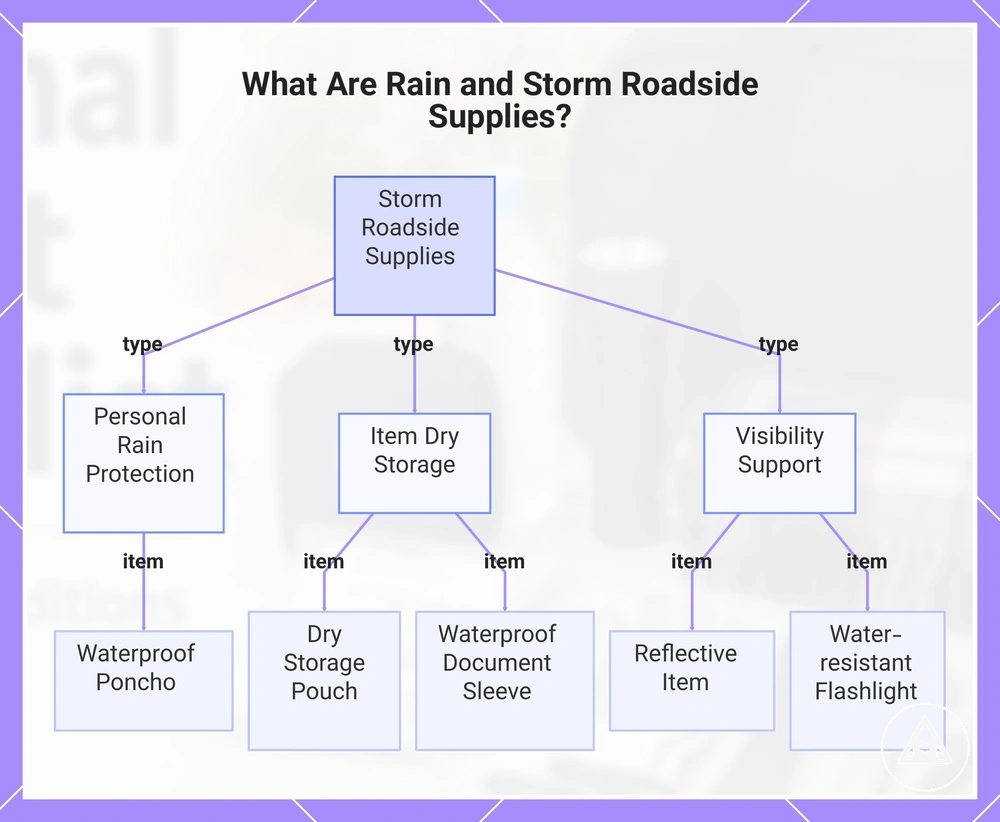
Rain supplies and storm supplies help keep essential items dry and support visible roadside presence when wet conditions reduce access and increase moisture exposure. Wet-weather supplies focus on protecting key contents, maintaining usability, and supporting visibility during roadside rain, low-light stops, or storm-related conditions. The priority is visibility and moisture protection.
Dry storage protects important contents from moisture, while personal rain protection helps reduce exposure when leaving the vehicle is necessary. Storm severity and roadside conditions can vary, so access to supplies may depend on weather and location.
- Poncho — waterproof coverage — roadside rain stop — supports reduced exposure while outside the vehicle.
- Dry storage pouch — moisture protection — wet-weather conditions — helps keep first aid supplies and batteries usable.
- Reflective item — roadside visibility support — rain or reduced-light stop — helps improve visible roadside presence.
- Water-resistant flashlight — light source support — storm conditions or low-light stops — helps maintain access to supplies.
- Waterproof document sleeve — dry storage — moisture exposure during waiting — helps protect important contents.
This chart shows the main categories of rain and storm roadside supplies and the specific items included, focusing on moisture protection and visibility.
Cold, ice, and low-visibility supplies
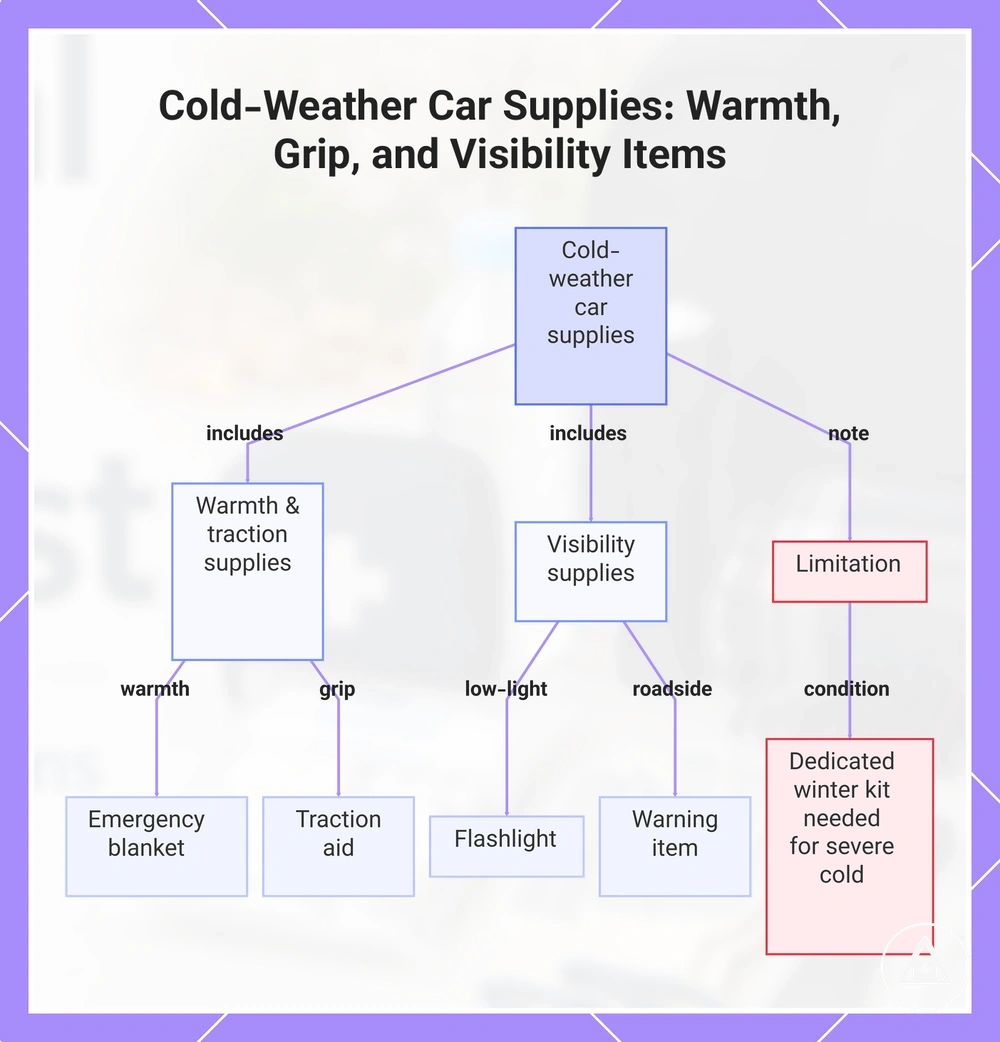
Cold-weather supplies help support warmth, grip, and visibility when ice, frost, early darkness, or roadside waiting create more challenging conditions. These general seasonal additions focus on delay readiness without expanding into a dedicated winter setup, with attention to warmth, grip, and visibility.
Regular snow exposure, severe cold, or alpine routes may require more preparation than a basic seasonal checklist provides. Drivers who frequently encounter those conditions may benefit from a dedicated winter car emergency kit for broader cold-weather coverage.
- Emergency blanket — warmth support — roadside waiting in low temperatures — helps improve comfort during delays.
- Traction aid — grip support — ice or slippery road-surface conditions — can help when additional traction is needed.
- Flashlight — low-visibility support — early darkness or reduced-light conditions — helps improve access to supplies.
- Spare batteries — power readiness — cold conditions or extended waiting — help support flashlight usability.
- Warning item — visibility support — roadside stop during early darkness — helps improve roadside awareness.
This chart shows the main categories of cold-weather car supplies and notes their limitation for severe conditions.
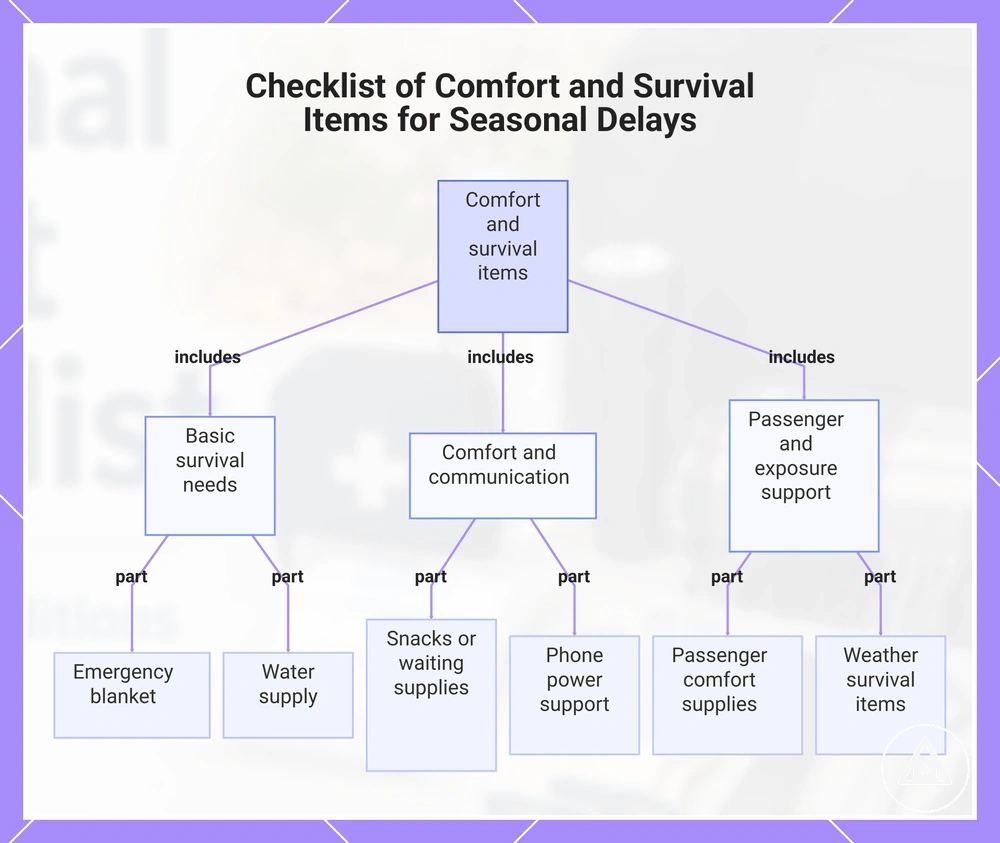
Comfort and survival items for seasonal delays
Comfort items and survival items are reasonable additions when seasonal delays could make roadside waiting longer, colder, wetter, or less comfortable than expected. These delay supplies support ordinary roadside waiting, with their value increasing as delay conditions become more demanding. Comfort items are most useful when waiting time, weather conditions, or exposure risk change the delay conditions.
A short local delay may require only basic comfort supplies, while a longer wait on a remote route can increase the value of extra water, snacks, warmth retention, or phone power support. For example, a brief stop near services may create different needs than waiting on a less-travelled route. Delay length, remoteness, and access to assistance can influence which waiting supplies are reasonable to keep available.
Passengers, remoteness, and weather severity are practical criteria when deciding whether additional comfort or exposure items are justified. Children, pets, or passengers who may be more affected by waiting conditions can increase the value of comfort supplies. The checklist below helps verify comfort and survival items based on common seasonal delay conditions.
- Warmth need — emergency blanket — cold roadside delay — supports warmth retention and passenger comfort.
- Hydration need — water supply — extended waiting time — supports readiness during roadside waiting.
- Food and comfort need — snacks or waiting supplies — longer delays or remote routes — supports comfort during waiting.
- Communication need — phone charger or power support — delayed assistance situations — helps maintain contact capability.
- Passenger support need — comfort supplies — children, pets, or vulnerable passengers — supports comfort during changing conditions.
- Exposure need — weather-appropriate survival items — increased weather severity — helps improve delay readiness when conditions become less comfortable.
This chart categorizes recommended comfort and survival supplies for seasonal roadside delays, based on common waiting and weather conditions.
Seasonal kit refresh checks before conditions change
A seasonal kit refresh checks item condition before weather shifts so expired, missing, damaged, or drained supplies do not remain unnoticed. Seasonal kit refresh checks before conditions change verify readiness attributes and support timely replacement decisions. The most useful time to inspect the kit is before a change in weather conditions or seasonal travel patterns.
Expired, missing, damaged, or drained items reduce readiness because important supplies may no longer perform as expected. First aid supplies with passed expiry dates or damaged packaging may need replacement rather than storage. Flashlights with low battery charge may need recharging or new batteries, while water condition and packaging should be reviewed before seasonal rotation.
Seasonal kit refresh uses item, readiness attribute, acceptable condition, and action to guide a replacement decision. Replace items when visible damage, expiry, leakage, contamination, or missing components affect condition. Recharge power-related items, rotate seasonal add-ons when conditions change, and remove supplies that no longer suit the expected weather pattern.
For broader inspections beyond seasonal checks, see the kit maintenance routine.
Seasonal kit refresh checks before conditions change verify item condition before weather shifts.
| Item | Readiness attribute | Acceptable condition | Action |
|---|---|---|---|
| First aid supplies | Expiry and usable condition | Sealed, intact, and within usable condition | Replace if expired, damaged, opened, or incomplete |
| Flashlight | Battery charge and power | Operates correctly with available power | Recharge or replace batteries if drained |
| Water | Water condition and storage | Clean container with suitable storage condition | Rotate or replace if condition appears unsuitable |
| Packaging | Protection and organization | Intact and protective | Replace damaged packaging or reorganize contents |
| Visibility gear | Visibility and accessibility | Present, undamaged, and easy to reach | Replace damaged items or restore access |
| Seasonal add-ons | Weather relevance and presence | Available for upcoming conditions | Add, rotate, remove, or replace as needed |
Weatherproof storage for seasonal emergency supplies
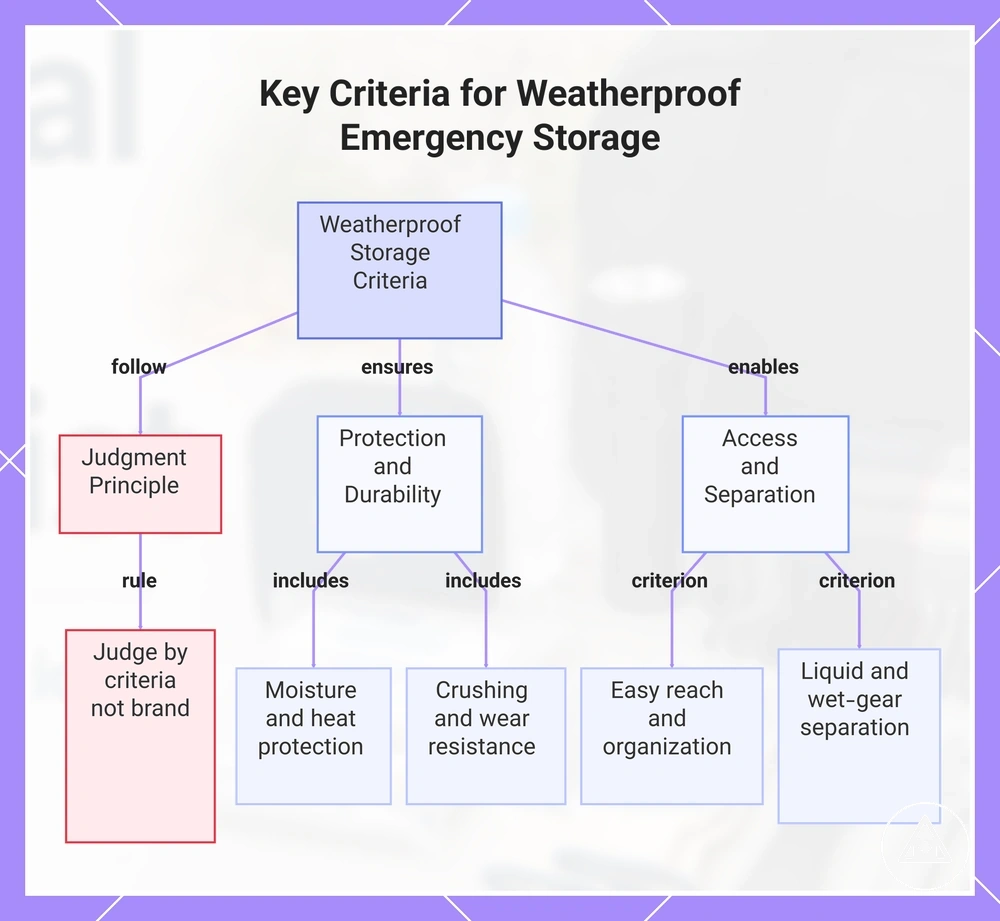
Weatherproof storage protects seasonal emergency supplies from moisture, heat exposure, crushing, leakage, and poor access. A suitable storage container keeps dry supplies separated, easier to reach, and more usable during roadside conditions. The main storage goals are protection and access.
Heat, moisture, crushing, and leakage can reduce item usability even when the kit appears organized. Batteries, water, packaging, textiles, first aid items, and wet-weather gear can affect each other if stored loosely together. Liquids may leak into dry supplies, and soft items may be crushed or hard to reach if the kit bag has no separation. Protective storage reduces those risks when the container condition matches the likely exposure level.
Weatherproof storage should be judged by criteria, not by brand comparison. Water resistance helps limit moisture exposure, compartment separation keeps liquids away from textiles and first aid supplies, accessibility helps with roadside access, and durability helps the container handle normal vehicle storage. Exact waterproof performance and temperature tolerance can vary by storage container, condition, and exposure level.
Weatherproof storage for seasonal emergency supplies should verify protection and access before the kit is stored again.
- Water resistance — moisture protection — rain, wet gear, or damp storage — helps keep dry supplies more usable.
- Compartment separation — separated liquids and dry items — water, first aid supplies, textiles, or batteries stored together — reduces leakage and cross-contact risk.
- Accessibility — easy reach and clear organization — roadside access during a delay — helps locate needed items faster.
- Heat exposure control — protected storage position and packaging condition — warm vehicle storage — helps preserve item usability where heat-sensitive contents may vary.
- Durability — resistance to crushing and wear — regular vehicle storage — helps protect packaging and supplies from normal movement.
- Wet-weather gear separation — separate pouch or section — poncho or used rain item after exposure — helps keep other supplies dry.
This chart shows the main criteria to evaluate weatherproof storage for seasonal emergency supplies, emphasizing judgment by criteria rather than brand.
Seasonal kit adjustments for road trips and longer drives
Seasonal kit adjustments for road trips and longer drives depend on trip distance, route type, passengers, weather exposure, and the likelihood of a longer roadside delay. A compact kit setup may be sufficient for routine travel, while increased exposure or reduced access to assistance can justify additional supplies. The main decision factors are distance, route, passengers, and weather exposure.
Daily driving often relies on baseline seasonal supplies because delays may be shorter and assistance may be easier to access. Regional travel can increase exposure time and may justify additional comfort or communication support. Remote routes can increase delay risk and make extra water, warmth, or visibility items more relevant. Longer trips can combine greater trip distance, changing weather exposure, and longer distances between services.
Seasonal kit adjustments use trip context, seasonal risk, added supply conditions, and readiness outcomes to guide decisions. A remote route may increase delay risk, which can justify extra water or warmth support when storage space allows. Additional passengers may increase comfort and hydration needs, while greater weather exposure may justify added visibility or protective supplies. The decision should balance readiness with available vehicle storage space.
For broader travel preparation beyond seasonal adjustments, see long-trip kit planning.
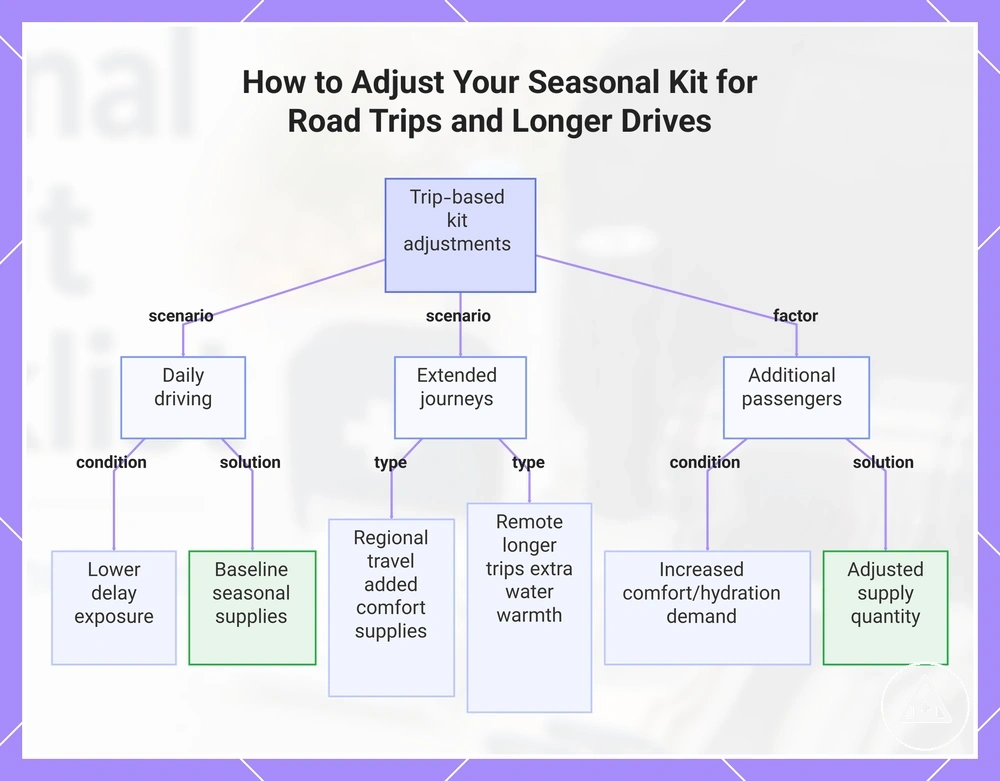
Seasonal kit adjustments for road trips and longer drives separate route and exposure conditions from supply decisions. The checklist below helps compare travel scenarios without assuming that more supplies are always better. When trip distance, route type, passengers, or weather exposure create a higher delay risk than a compact kit setup is intended to handle, additional supplies may be justified if storage space and driving conditions support them.
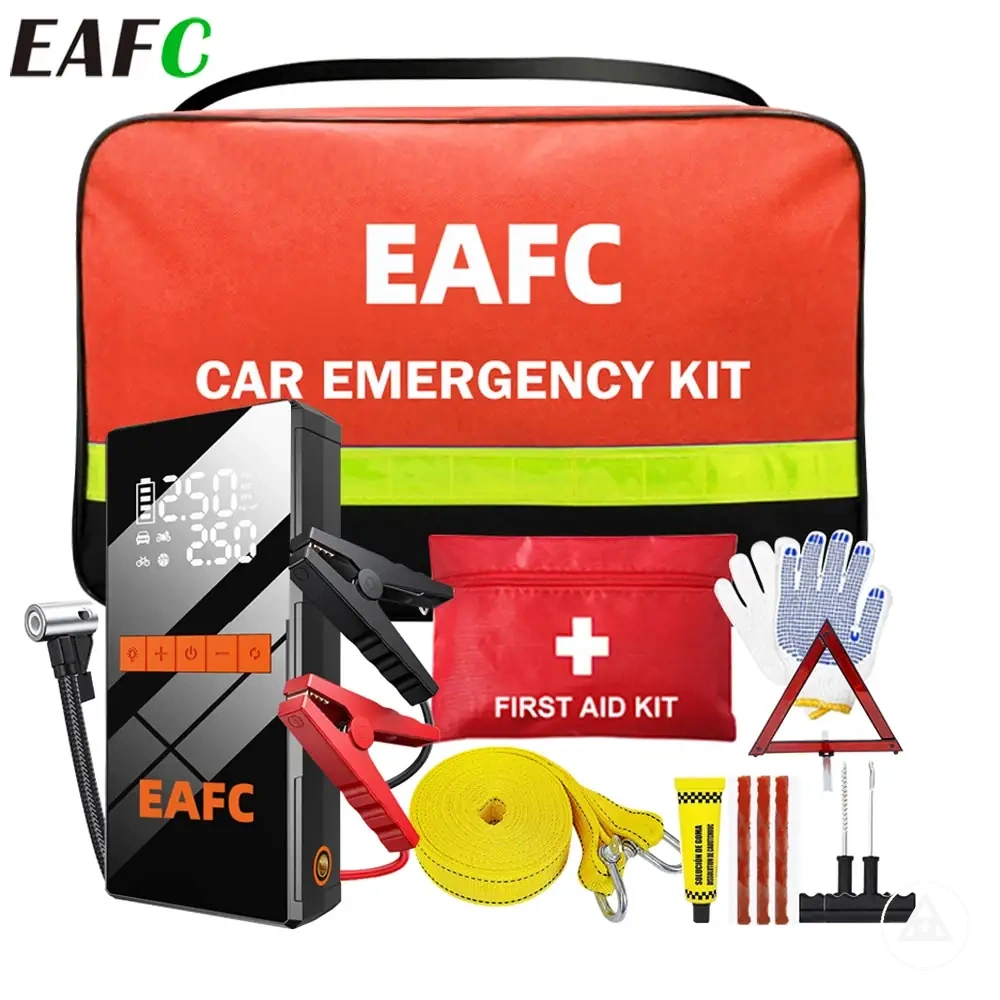
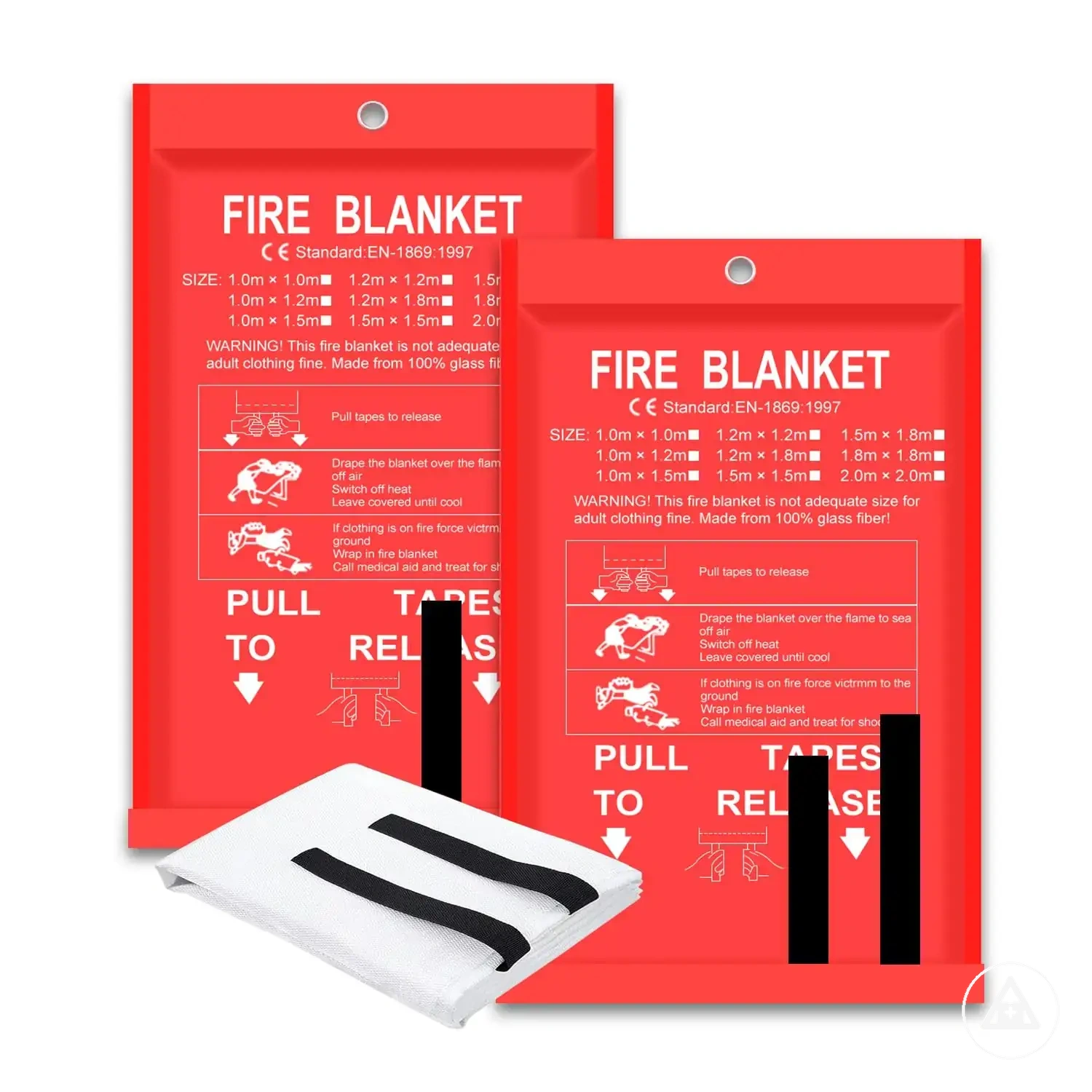
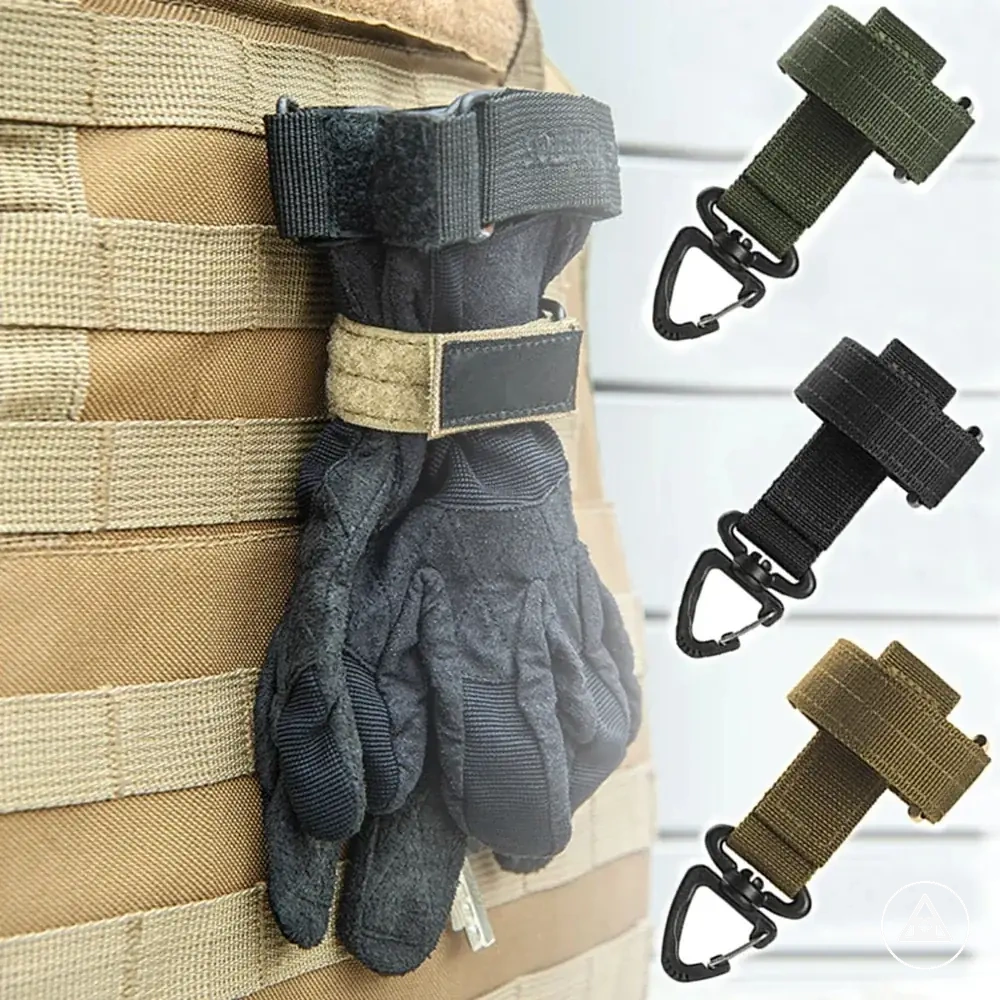
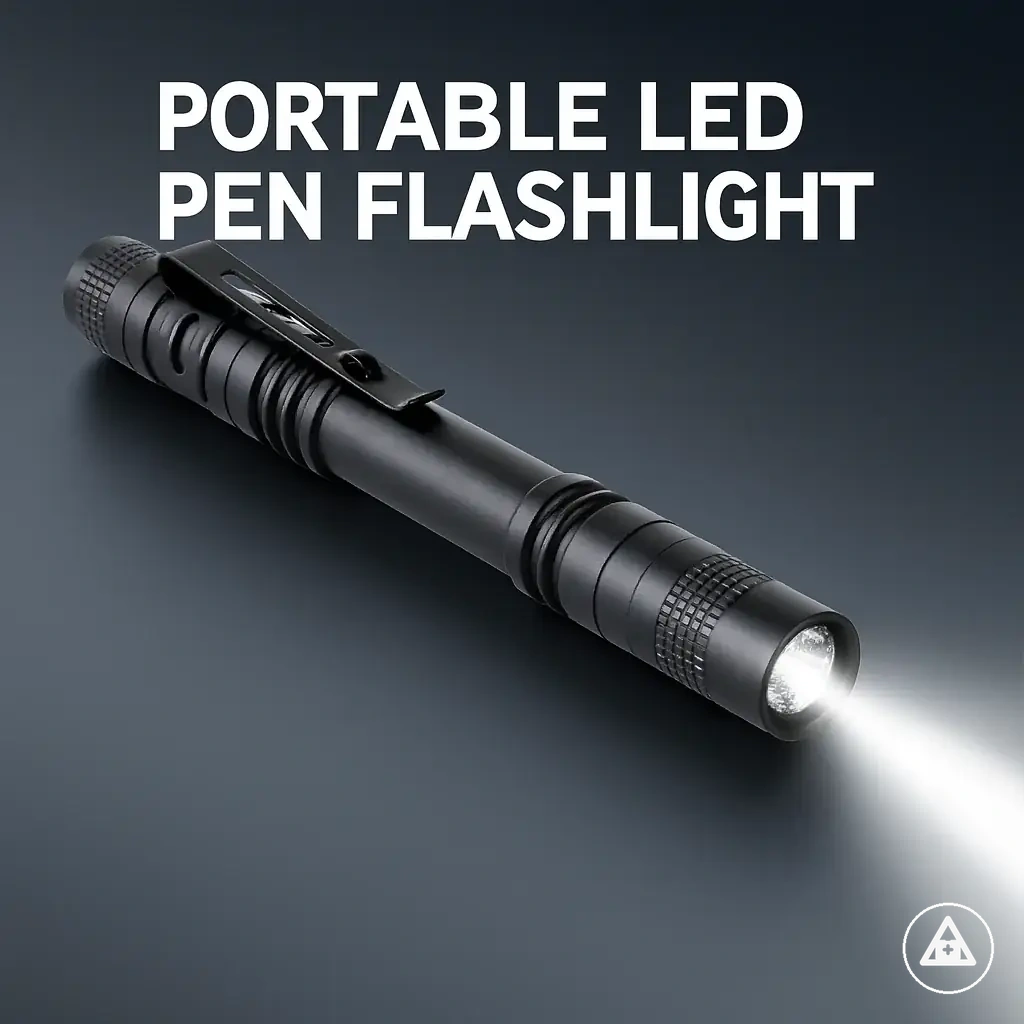
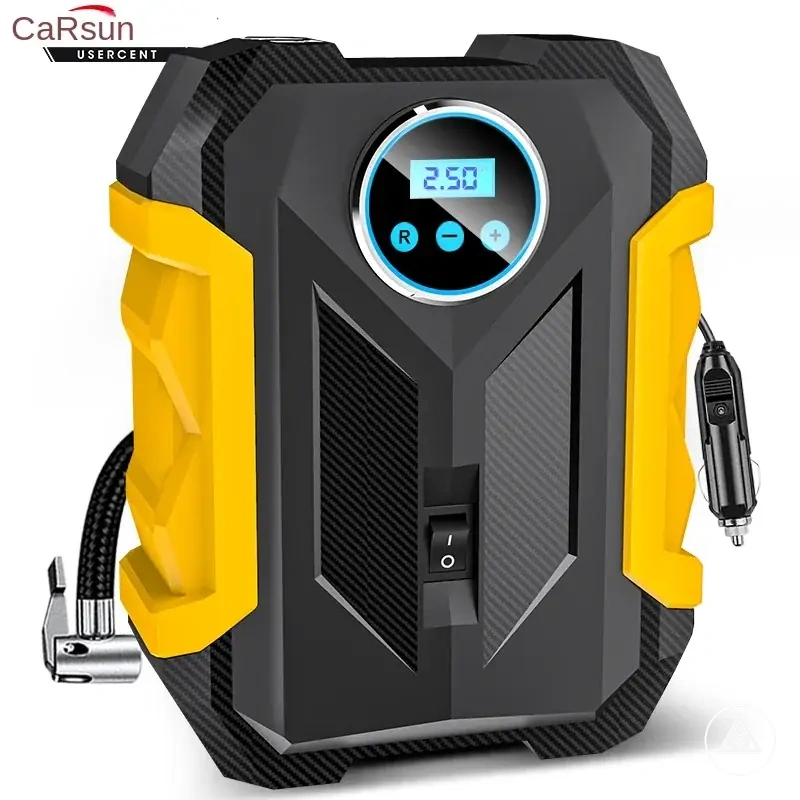
The products below are useful examples for comparing available options. Before buying, check that the compatibility criteria, key features, and product details match your needs.
- Daily driving — lower delay exposure — baseline seasonal supplies — compact readiness approach.
- Regional travel — increased travel time — added supply for comfort or communication support — improved delay readiness.
- Remote routes — longer delay risk — extra water and warmth support — improved waiting readiness.
- Longer trips — increased trip distance and weather exposure — added supply quantity where appropriate — broader travel readiness.
- Additional passengers — increased comfort and hydration demand — adjusted supply quantity — readiness matched to passenger needs.
This chart shows the main trip scenarios and the recommended supply adjustments for each, helping you decide what to add to your seasonal kit based on route, distance, and passenger load.